

If your solar lender or loan servicer goes bankrupt, it can feel like the ground suddenly moved under your feet. You may be wondering who owns the loan now, where your payment is supposed to go, whether your contract still applies, and whether the bankruptcy changes anything about what you owe.
In many cases, the answer is not as simple as “everything stays the same,” but it is also usually not as simple as “the loan disappears.” What may happen next often depends on who actually owns the loan, whether only the servicer changed, what notices you received, and what your documents say.
Here is what to check first if your solar lender or loan servicer goes bankrupt.
Start With the Difference Between a Lender and a Servicer
These two roles often get blurred together, but they are not always the same.
- The lender is the company that funded the loan or currently owns the debt.
- The servicer is the company that sends statements, collects payments, and handles account administration.
Sometimes the lender and the servicer are the same company. Sometimes they are different. That distinction matters because a servicer bankruptcy does not always mean the loan itself vanished. In some situations, the servicing rights may simply be transferred to another company.
Bankruptcy, lender-failure, and servicing-change issues can involve contract terms, account transfers, payment processing, credit reporting, and consumer-protection questions. This article is general information, not legal, tax, or financial advice. Review your documents carefully, and speak with qualified professionals when needed.
Why This Creates Confusion Fast
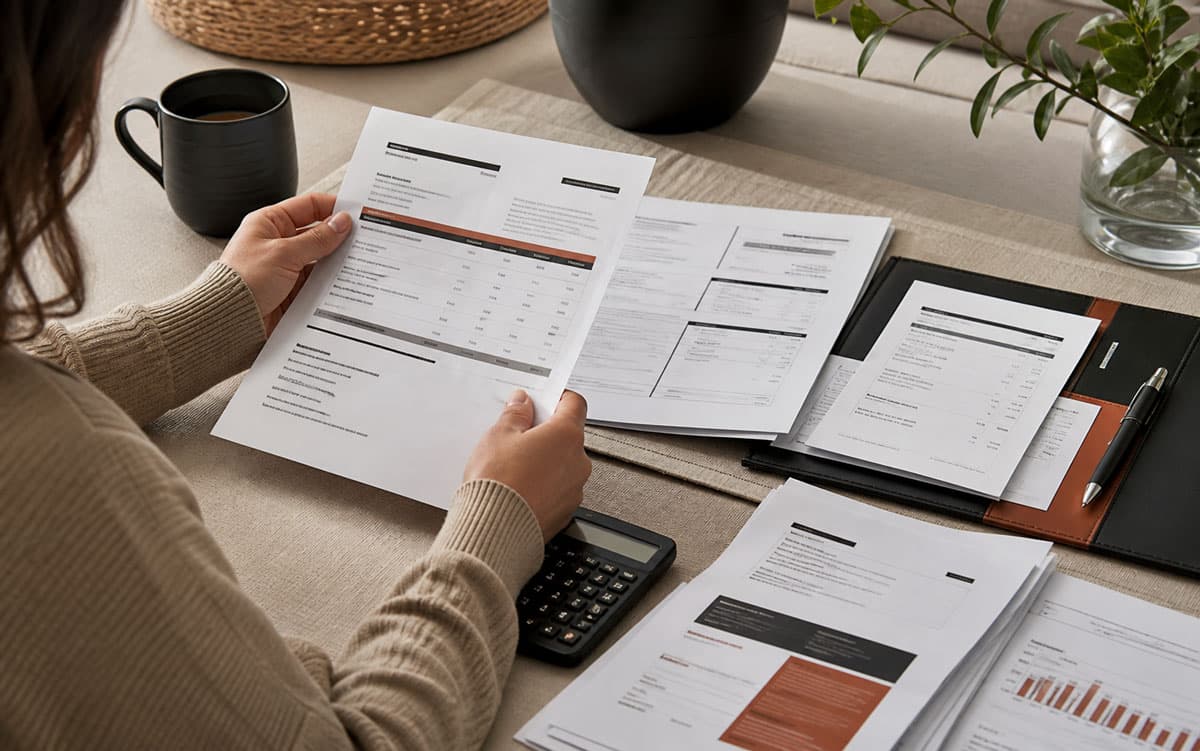
When a lender or servicer runs into trouble, homeowners often face a messy transition period. Statements may look different, websites may change, phone numbers may stop working, and autopay arrangements may not feel reliable. The stress usually comes from not knowing whether the account still needs to be paid the same way, who should receive payment, and whether prior records were transferred correctly.
That is why the first priority is usually documentation and verification, not guessing.
What May Happen If the Servicer Goes Bankrupt
If the servicer goes bankrupt but the loan still exists, one common outcome is that servicing gets transferred. In plain language, that means another company may step in to collect payments and manage the account.
That transition can still create real problems if:
- Your payment history is incomplete or inaccurate after transfer
- Autopay information is disrupted
- You get conflicting notices
- You are not sure whether a notice is legitimate
- The new servicer does not seem to have the right balance or terms
If you are already dealing with payment confusion more broadly, the related post on Solar Loan Cancellation: What to Review Before You Try to Get Out may help frame the bigger financing picture.

What May Happen If the Lender Goes Bankrupt
If the lender itself goes bankrupt or fails, the loan may still be treated as an asset that gets transferred, administered, sold, or handled through a restructuring or receivership process. That means the homeowner’s practical questions are usually:
- Who owns the loan now?
- Who is allowed to collect payment?
- Did the payment address or website change?
- Did any of the contract terms actually change?
Many homeowners hear the word “bankruptcy” and assume it automatically cancels what they owe. That is not a safe assumption. The better approach is to confirm whether the issue is really a change in ownership, a change in servicing, or both.
What to Check First
If you learn that your lender or loan servicer went bankrupt, start with a simple review checklist:
- Your most recent statement
- Your original loan agreement
- Any bankruptcy, transfer, or servicing notices you received
- Your payment history
- Your autopay settings, if you used them
- Any emails, letters, or portal messages about account changes
You are looking for three things:
- Whether the account still appears active
- Whether a new company has been identified to service or collect the loan
- Whether the payment instructions clearly changed
Why Payment Records Matter So Much Here
One of the biggest risks during any lender or servicer disruption is confusion over past payments. If records transfer poorly, homeowners may worry that payments will be missed, misapplied, or disputed later.
That is why it helps to keep your own file with:
- Bank confirmations
- Statements
- Screenshots of online payments
- Email confirmations
- Any account correspondence
Even when a transfer is supposed to be smooth, your own paper trail matters.
What If You Receive a New Payment Notice?
If a new company contacts you claiming it now services or owns the account, do not ignore it, but do not treat it as automatically self-proving either. Review the notice carefully and compare it against your existing account records.
Look for consistency in:
- Your account number or reference details
- The original lender or servicer named in the notice
- The balance and payment amount
- The effective date of the change
- Instructions about future payments
If the numbers or details do not line up, that is a strong sign to pause and review further before assuming the account is being handled correctly.
What This Usually Does Not Mean
It usually does not mean you should assume the loan disappeared. It usually does not mean every contract term changed overnight. And it usually does not mean you should rely on rumor, social posts, or word of mouth instead of actual account notices and documents.
It also does not necessarily answer broader questions about whether the original deal was good, fair, or supportable. If the financing was already creating pressure before the bankruptcy news, the lender event may be just one part of a larger problem.
If you suspect the original deal had bigger issues, the post on Bad Solar Contract Red Flags Homeowners Should Not Ignore is a strong next read.
How This Connects to Payment Pressure
For some homeowners, the lender or servicer bankruptcy is not the first problem. It lands on top of an already difficult situation involving high payments, tax-credit assumptions, or disappointing savings.
This is especially common when the homeowner is already dealing with:
- A payment that increased over time
- A solar loan that felt inflated or confusing
- An expected tax-credit benefit that did not land the way it was pitched
- A still-high utility bill on top of the solar payment
If that sounds familiar, you may also want to review They Said My Solar Bill Would Stay the Same. Why Did It Increase? and What If You Never Received the Solar Tax Credit You Were Promised?.

What If the Installer Also Has Problems?
Sometimes homeowners are dealing with both sides of the mess at once. The lender or servicer is unstable, and the installer is also closed, bankrupt, or unresponsive. That can create even more confusion because the financing question and the service or warranty question may be moving on separate tracks.
If that is your situation, review What Happens If Your Solar Company Goes Out of Business? too. That post helps separate installer issues from loan-servicing issues.
What Not to Do
Do not assume a bankruptcy headline automatically cancels the account. Do not assume a new notice is fraudulent without reviewing it. Do not rely only on a changed website or social chatter to decide where the loan stands. And do not stop keeping payment records just because the situation feels chaotic.
The better approach is to identify who owns the loan, who services it now, what notices were sent, and whether the account details still match your documents.
Start With a Loan and Servicer Review
If your solar lender or loan servicer went bankrupt, DitchYourSolar can help you take the first step. Review the notices, statements, payment history, and financing documents together so you can better understand what may be worth reviewing next.
Review Your Solar Loan and Payment Issues
For many homeowners, the hardest part is not just the bankruptcy itself. It is the uncertainty about who is in charge of the account now, where payments go, and whether the paperwork and payment history still line up the way they should.