
If you are searching for solar loan cancellation, you are probably feeling pressure from the monthly payment, disappointed by the savings, or worried that the system and financing never matched what you were told. That is a common place for homeowners to end up. But before you try to “get out” of the loan, it helps to slow down and review what kind of loan you actually signed, what the payment structure looks like, and how the loan connects to the solar contract itself.
A solar loan can be one of the hardest parts of a bad solar deal because the financing may continue even when there are problems with the installation, savings, service, or sales promises. That does not mean you have no options. It means the right next step is usually document review, not guesswork.
Here is what to review before you try to cancel a solar loan.
Start With the Difference Between the Loan and the Solar Contract
One of the biggest points of confusion is that the solar loan and the solar installation agreement may be related, but they are not always the same document. In many deals, the lender is different from the installer, dealer, or sales company.
That matters because a homeowner may think, “I want out of this solar contract,” but the monthly payment obligation may sit in a separate loan agreement. If the system is underperforming, unfinished, or different from what was promised, that may still be important, but it does not automatically make the loan disappear.
Before you do anything else, identify:
- Who sold you the system
- Who installed the system
- Who funded the loan
- Who currently services the loan
- Whether the loan documents are separate from the solar contract
Solar loan issues can involve financing disclosures, contract terms, payment assumptions, tax-credit expectations, service disputes, and consumer-protection questions. This article is general information, not legal, tax, credit, or financial advice. Review your documents carefully and speak with qualified professionals when needed.

Why Homeowners Usually Want to Cancel a Solar Loan
Most people do not start with the words “solar loan cancellation” because they are simply curious. They usually search for it because something feels wrong. The reason matters because it often points to what documents should be reviewed first.
The Payment Feels Too High
Sometimes the monthly payment is simply more than the homeowner expected, especially after the total loan amount, dealer fees, interest, or tax-credit-related payment assumptions become clearer over time.
The System Did Not Deliver the Savings That Were Promised
A homeowner may be making a monthly loan payment while still facing a high utility bill. In that situation, the issue may not be the loan alone. It may be the combination of financing terms, system performance, and sales assumptions.
If that sounds familiar, the post on why you may still have a high utility bill with solar panels is a strong companion resource.
The Payment Increased After a Tax Credit Deadline
Some homeowners realize too late that their loan payment was built around an expected lump-sum principal reduction tied to the federal solar tax credit. If that payment was not made, the loan may re-amortize into a higher monthly amount.
The related post on why a solar payment increased goes deeper on that issue.
The Sales Pitch and the Financing Terms Do Not Match
Some people were shown a simple savings story, but the actual paperwork includes more complexity around fees, prepayments, dealer markups, interest, or long-term cost.
The Installation or Service Side Is a Mess
In some cases, the homeowner is still paying on a loan even though the system is unfinished, not producing as expected, or difficult to service.
What to Review in the Loan Documents First
Before trying to cancel or dispute anything, read the financing paperwork with a specific checklist in mind. You are trying to understand what the lender says you agreed to, not just what you remember from the sales conversation.
- The total financed amount
- The cash price of the system, if shown
- The monthly payment amount
- The interest rate
- The loan term
- Any prepayment assumptions
- Any re-amortization terms
- Any tax-credit-related deadlines or expected principal payments
- Any dealer fee or markup references
- Any cancellation, dispute, or notice language
- Whether the lender or servicer can change
The CFPB has warned that some solar lenders include substantial hidden markups, often called dealer fees, that can increase the loan principal well above the apparent cash price. :contentReference[oaicite:2]{index=2} That does not automatically mean every loan is improper, but it does make the financed amount worth reviewing closely.

What If the Loan Was Built Around the 30% Tax Credit?
This is one of the most common flashpoints in solar financing. Some homeowners were told that the federal tax credit would lower the effective cost of the system, then later found out that the loan payment was also structured around applying that expected credit as a lump-sum payment toward the principal.
If that lump-sum payment was not made, the monthly payment may go up after the introductory period. The CFPB’s 2024 solar financing spotlight specifically notes that some loans are structured around this type of expected prepayment. :contentReference[oaicite:3]{index=3}
If the tax credit angle played a big role in the sales pitch, it is also worth reading what to check if you were promised the 30% solar tax credit.
What If You Want Out Because the System Is Not Working Right?
That is an important issue, but it still helps to separate the technical problem from the financing problem. A weak or failing system may support broader review of the deal, especially if the sales proposal, system size, or performance claims do not match reality. But the lender may still treat the financing obligation as active unless the issue is resolved through whatever process applies under the agreement and facts.
If your concern started with poor production, monitoring issues, or inverter warnings, review whether the system appears to be working normally before assuming the loan itself is the only issue.
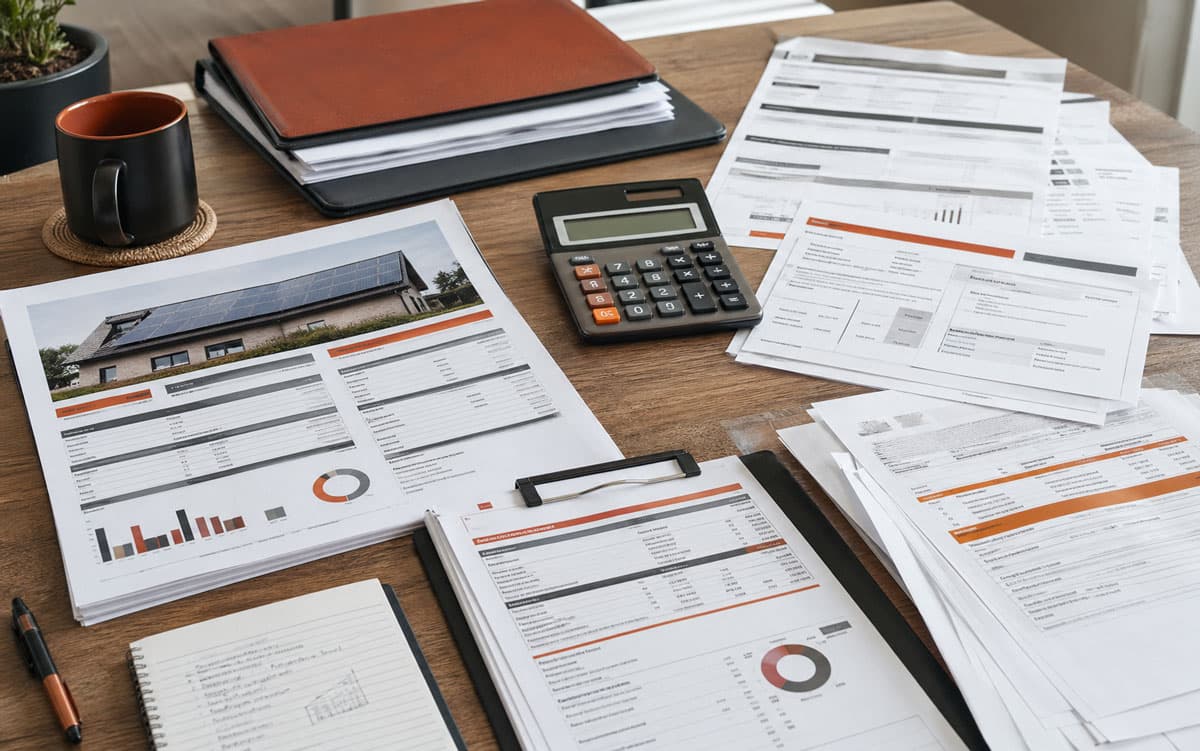
What Documents Should You Gather Before Trying to Get Out?
The more organized your file is, the easier it is to understand whether the issue is mainly about financing, performance, sales conduct, transferability, or all of the above.
- Your solar loan agreement
- Your solar installation contract
- Your sales proposal and savings estimate
- Your payment statements
- Your utility bills before and after installation
- Your monitoring screenshots or production records
- Any tax-credit-related payment notices
- Texts, emails, or screenshots from the sales process
- Any service or complaint history tied to the system
DOE’s solar contract guidance notes that the system overview section may include the number of panels, inverter details, panel wattage, orientation, and annual production value. Those details matter when comparing what was sold to what was installed and financed. :contentReference[oaicite:4]{index=4}
What Solar Loan Cancellation Usually Does Not Mean
It helps to clear up a few assumptions early.
- It does not automatically mean the loan disappears because you are unhappy with the system
- It does not automatically mean the installer’s bankruptcy or closure ends the financing obligation
- It does not always mean the system must be removed first
- It does not always mean the solar contract and the loan can be treated as one single document
If company closure is part of the story, the post on what happens if your solar company goes out of business may help you sort through the service and lender side separately.
When a Solar Loan May Be Worth Closer Review
Not every expensive solar loan leads to the same next step. But the loan may deserve closer review if:
- The financed amount is much higher than expected
- The monthly payment is creating serious pressure
- The payment changed after a tax-credit-related deadline
- You suspect the proposal hid the true cost of financing
- The system is not delivering what the proposal suggested
- You were told one thing verbally, but the loan says something else
- The installer is gone, unresponsive, or failed to complete the work
The FTC’s consumer guidance also stresses that buyers, lessees, and PPA customers are entering very different arrangements, and the steps needed before selling your home can vary depending on the structure. :contentReference[oaicite:5]{index=5} That is another reason the exact contract type matters before deciding what “getting out” really means in your case.
What Not to Do
Do not stop paying a solar loan without understanding the possible consequences. Do not assume a sales problem automatically cancels the financing paperwork. Do not focus only on one document if the deal involved separate contracts, proposals, financing forms, and service records. And do not rely only on memory if your question is really about what you were promised versus what you signed.
If your biggest issue right now is monthly pressure, it may also help to compare the numbers with the solar payment calculator before deciding what to review next.
Start With a Solar Loan Review
If you are trying to figure out whether there is any path out of a solar loan, DitchYourSolar can help you take the first step. Review the loan, the payment structure, the contract, and the sales paperwork together so you can better understand what may be worth reviewing next.
Review Your Solar Loan Options
For many homeowners, the best next move is not jumping straight to the word “cancellation.” It is understanding how the financing was structured, what was promised, and where the real pressure points are in the documents.