

If you never received the solar tax credit you were promised, you are not alone. This is one of the most frustrating issues homeowners run into after going solar, especially when the sales pitch made the credit sound automatic, guaranteed, or built into the affordability of the deal.
In some cases, the problem is a misunderstanding about how the tax credit works. In others, the real issue is that the sales presentation made the credit sound more certain, more immediate, or more valuable to your situation than it really was. Either way, the first step is to review what you were told, what you signed, and how the credit was used in the sales or financing pitch.
Here is what to check first if you never received the solar tax credit you were promised.
Start With the Difference Between Being Promised a Credit and Actually Qualifying for One
The federal residential solar tax credit is not the same as a cash rebate that every homeowner automatically receives after installation. It is a tax credit, which means the outcome can depend on your tax situation, the year the system was placed in service, the kind of property involved, and whether the system and expenses qualify under IRS rules.
That is why the first question is not just, “Did I get the credit?” It is also:
- What exactly was I promised?
- Was the promise verbal, written, or both?
- Did the salesperson make it sound guaranteed?
- Was the credit used to justify the monthly payment or total cost?
- Did anyone tell me to expect a refund no matter what?
Tax-credit issues can involve tax eligibility, filing details, financing assumptions, and sales representations. This article is general information, not tax or legal advice. Review your documents carefully, and speak with a CPA or qualified tax professional for eligibility or filing questions.
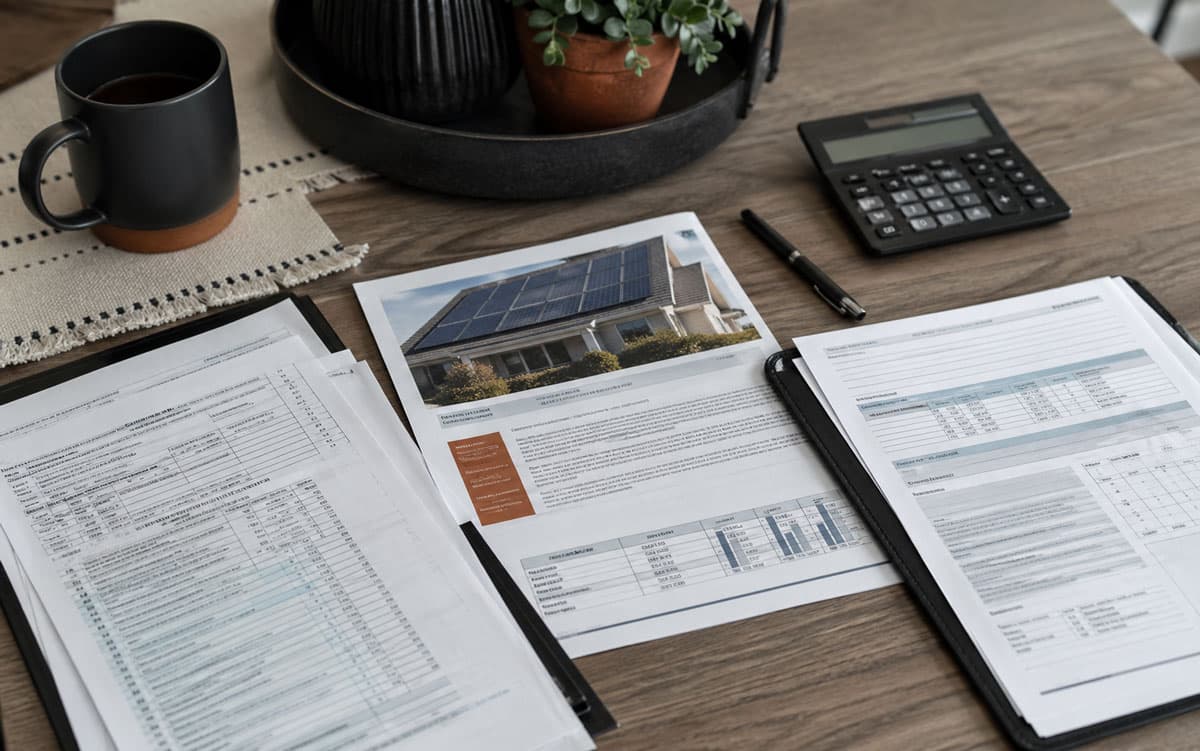
What the IRS Tax Credit Does and Does Not Mean
Many homeowners were told they would “get 30% back,” but that phrase can be misleading if it was not explained carefully. A tax credit may reduce tax owed, but it does not always mean a homeowner will receive the full value as a direct refund in the way they expected.
The IRS explains that the Residential Clean Energy Credit is claimed on federal tax returns for qualified property and that unused credit can generally be carried forward, rather than automatically disappearing or instantly becoming cash in every situation. That is an important distinction when the sales pitch treated the credit like guaranteed money on a fixed timeline.
If the original issue was more about how the credit was pitched than how your return was filed, the strongest companion post is Were You Promised the 30% Solar Tax Credit? What to Check First.
Common Reasons Homeowners Say They Never Received It
There are a few different ways this problem shows up. Not all of them mean the same thing.
The Sales Rep Made the Credit Sound Automatic
Some homeowners were told the government would send them a check, that the money would arrive within a certain number of months, or that everyone qualifies as long as they install solar. That kind of sales framing can create expectations that do not match reality.
The Credit Was Used in the Payment Pitch
Sometimes the solar payment was presented as affordable only because the homeowner was expected to apply the tax credit toward the loan principal. If that did not happen, the payment may have become more difficult later.
The Homeowner Did Not Owe Enough Tax to Use It the Way They Expected
This is one of the most common sources of confusion. A salesperson may have talked about the credit as if eligibility and immediate benefit were the same thing for everyone, when they are not.
The Filing Process Was Never Explained Clearly
Some homeowners assumed the installer, lender, or salesperson would handle the tax-credit side, only to realize later that the issue depended on their own tax filing process and documentation.
The System or Expenses May Not Have Been Presented Clearly
If the contract, proposal, or financing documents were vague about qualified costs, timing, or assumptions, the homeowner may have been left with the impression that the credit was simpler or more certain than it really was.

What to Review in Your Documents
If you are trying to understand whether the problem was tax eligibility, sales pressure, or financing assumptions, gather the paperwork that shows how the credit was discussed.
- Your solar contract
- Your sales proposal
- Your financing agreement
- Your payment schedule
- Any loan disclosures referencing a principal prepayment
- Texts, emails, or screenshots from the sales process
- Any slides, brochures, or estimates that referenced the tax credit
- Your tax filing documents and any related CPA communication
You are looking for language that treated the tax credit as certain, immediate, or required to make the payment numbers work. You are also looking for whether the written documents were more cautious than the verbal pitch.
Watch for Financing Red Flags Tied to the Tax Credit
For some homeowners, the bigger issue is not just that they never received the credit as expected. It is that the solar loan may have been structured around a future principal reduction tied to the expected tax credit.
The CFPB has warned that some solar loan marketing materials deduct the presumed tax credit from the cost presentation in a way that can make the loan look cheaper than it really is. That can be especially painful when the homeowner never receives the expected tax benefit in the way they were led to expect.
If the monthly payment is now part of the problem, review They Said My Solar Bill Would Stay the Same. Why Did It Increase? and Solar Loan Cancellation: What to Review Before You Try to Get Out.
What If You Already Filed and Still Did Not Get What You Expected?
At that point, the issue may fall into one of two buckets. The first is tax treatment, which is something a CPA or tax professional should help you assess. The second is sales representation, which is about what you were told before signing and whether the pitch made the credit sound more certain than it should have.
Those are not the same issue, but they can overlap. A homeowner can have a real tax question and also have a real concern that the sales pitch was misleading.
That is one reason it helps to separate:
- Whether you were actually eligible
- Whether the credit was explained accurately
- Whether the financing depended on it
- Whether the sales pitch used it to create pressure or unrealistic expectations
When This May Be More Than Just a Tax Filing Question
It may be worth reviewing the deal more closely if:
- You were told the credit was guaranteed
- You were told everyone qualifies
- You were told the credit would arrive by a specific date
- The loan payment assumed you would apply the credit to the balance
- The proposal used the credit to present a much lower “net cost”
- The salesperson discouraged you from checking with a CPA
- The written documents say something more cautious than the verbal pitch
If that sounds familiar, this may overlap with broader contract concerns. In that case, Bad Solar Contract Red Flags Homeowners Should Not Ignore is another useful next read.
What Not to Do
Do not assume that not receiving the expected tax benefit automatically means you have a cancellation right. Do not assume the salesperson’s explanation matched IRS rules. Do not stop making loan payments because the tax credit did not arrive the way you expected. And do not rely only on memory if the sales pitch may have been reflected in texts, proposal pages, or financing disclosures.
If payment pressure is already building because the tax credit was part of the affordability story, the solar payment issues page may also help you figure out the next step.
Start With a Tax Credit Review
If you never received the solar tax credit you were promised, DitchYourSolar can help you take the first step. Review the contract, proposal, financing paperwork, and sales materials together so you can better understand whether the issue looks like tax eligibility, a financing assumption problem, or a mismatch between what you were told and what the documents actually support.
Review Your Solar Tax Credit Issue
For many homeowners, the real issue is not just whether the tax credit appeared on the return. It is whether the credit was used to sell the deal in a way that created expectations the paperwork and reality did not support.