
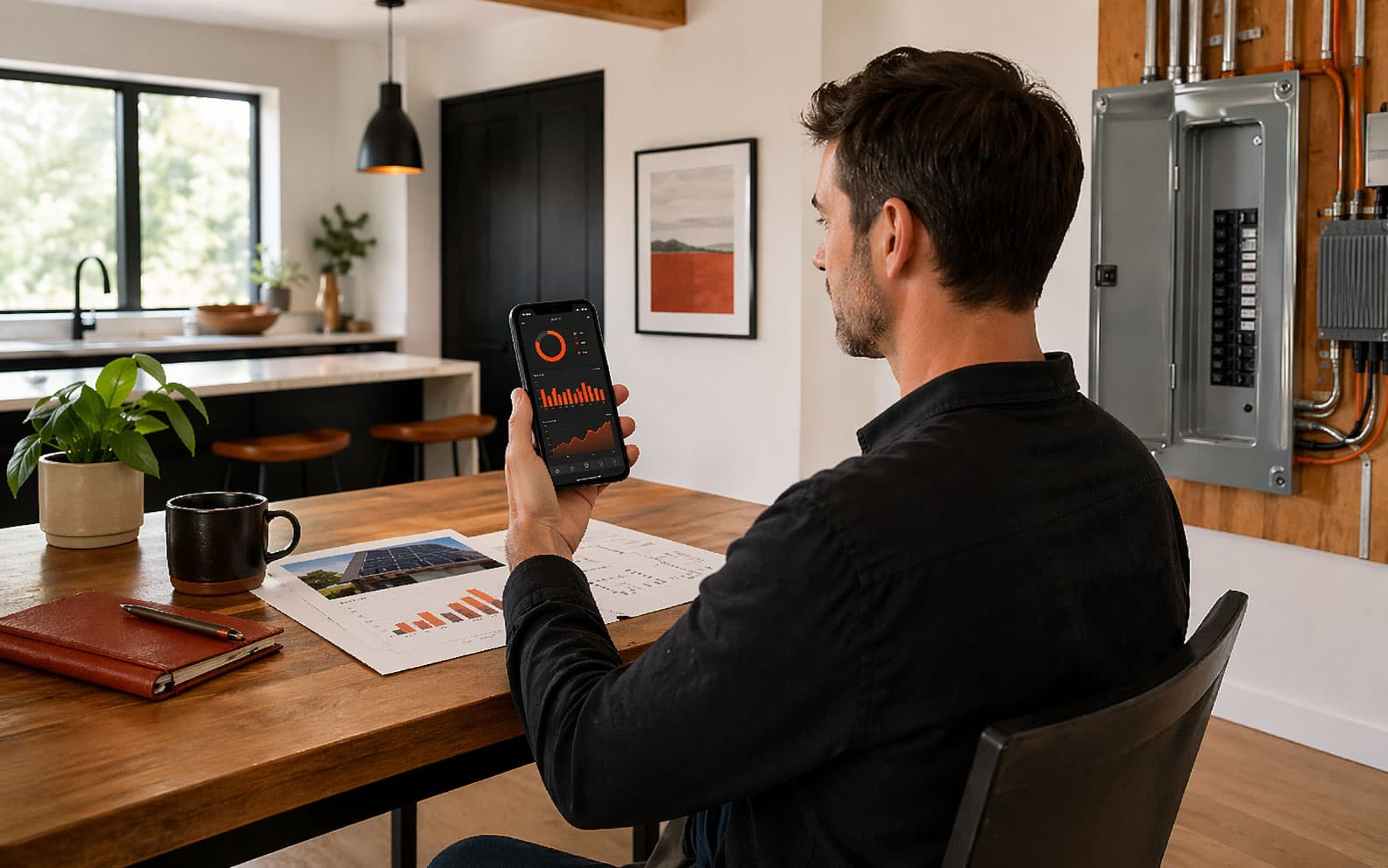
If you are asking, “Are my solar panels even working?” you are probably noticing something feels off. Maybe your electric bill is still high, your monitoring app looks wrong, your inverter shows an unfamiliar light or message, or the system just does not seem to be delivering what you expected. That does not automatically mean the system has failed, but it does mean it is worth checking a few basic things carefully.
Solar systems can produce less power for several reasons, and not all of them mean major damage or a bad contract. Weather, season, shade, monitoring issues, inverter problems, installation defects, and changing household electricity use can all affect what you are seeing. The goal is to figure out whether the system appears to be producing normally, underperforming, or showing signs that something may need professional review.
Here are the most common signs something may be wrong, what to check first, and when it may be worth comparing the system’s performance against what you were promised.
Start With the Difference Between “Working” and “Meeting Expectations”
One of the biggest sources of confusion is that a solar system can still be working, but not performing the way you expected. Your panels may still be producing power, just not enough to offset your current usage, seasonal demand, or the savings estimate shown during the sales process.
That is why it helps to separate the issue into two questions:
- Is the system producing electricity at all?
- Is the system producing what you were led to expect?
Those are related, but they are not always the same problem. A fully dead system is different from a system that is generating power but underperforming compared to the proposal.
Solar system performance issues can involve equipment, monitoring, weather, shading, installation quality, contract promises, and household energy usage. This article is general information, not electrical, legal, or technical repair advice. Use homeowner-safe checks only, and contact a qualified solar technician for inspection or repair when needed.
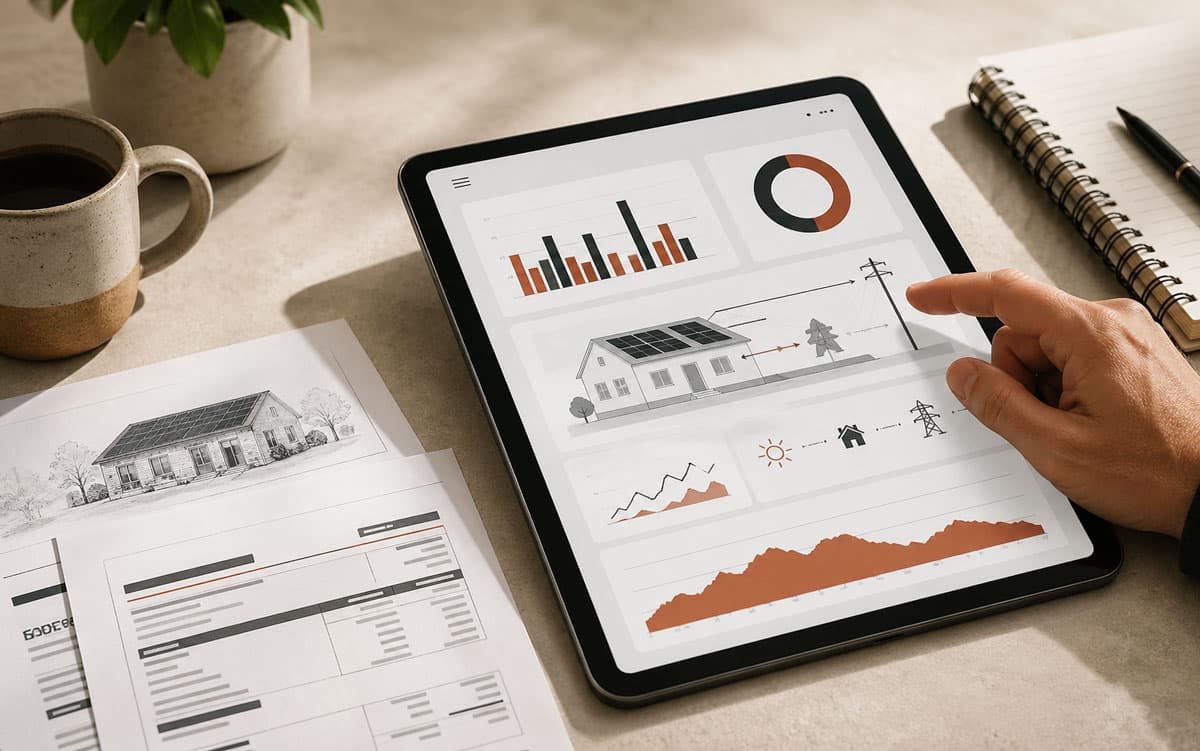
Common Signs Your Solar Panels May Not Be Working Right
Homeowners usually notice a problem through one of a few warning signs. None of these automatically proves the system has failed, but they are good reasons to look closer.
Your Electric Bill Is Still High or Suddenly Higher
A high utility bill is often the first sign that something may be off. But a high bill does not always mean the panels stopped working. It could also mean your usage went up, your utility rates changed, seasonal demand increased, or your system is producing less than expected.
If the bill is your first warning sign, compare it with the broader guide on why homeowners still pay a high utility bill with solar panels.
Your Monitoring App Shows Little or No Production
If your solar monitoring app suddenly shows zero production, very low production, or missing data, that may point to a monitoring issue, inverter problem, communication issue, or system outage. It does not always mean the panels themselves are broken, but it is one of the clearest signals that something needs review.
Your Inverter Shows a Warning Light or Error
Many solar systems rely on an inverter to convert solar power into usable electricity. If the inverter shows a fault light, unusual color, or warning message, that can be a sign of a system issue. The exact meaning depends on the inverter brand and model, so avoid guessing. Use the manufacturer documentation or contact a qualified technician if the warning persists.
Your Production Dropped More Than Expected
Some production change is normal. Solar output can vary with season, weather, sun angle, temperature, and shading. But if you are seeing a significant decline over time, it may be worth comparing recent production against earlier months or the original estimate.
DOE guidance notes that if production data shows a drop of more than 10% from year to year, that could indicate maintenance issues. :contentReference[oaicite:2]{index=2}
You Never Seem to Get the Savings You Were Shown
Sometimes the system is technically running, but the homeowner still feels something is wrong because the savings pitch never matched reality. In that situation, the issue may involve both performance and expectations. It can be worth comparing actual production, utility bills, and contract paperwork against the original proposal.
What to Check First, Safely
You do not need to climb on the roof or open electrical equipment to do an initial review. Start with simple, homeowner-safe checks.
- Check the monitoring app or portal for recent production data
- Look for missing data, sudden drops, or long flat periods
- Check whether the inverter shows a normal operating status or a warning
- Compare recent utility bills to older bills
- Compare recent production to prior months or the original estimate if available
- Notice any new shade from trees, debris, or nearby construction
- Check whether the system appears to be dirty, obstructed, or visibly damaged from the ground
Do not open electrical disconnects, remove covers, or attempt repairs yourself. If the issue looks technical, the next step is usually a qualified solar service technician, installer, or manufacturer-authorized support path.
What Can Cause Solar Panels to Underperform?
There are several common reasons a solar system may appear weak, inconsistent, or disappointing.
Seasonal and Weather Changes
Solar systems do not produce the same amount every day or every month. Winter, storms, shorter daylight hours, smoke, and clouds can all reduce production. Hot weather can also affect panel efficiency.
New or Growing Shade
Trees grow, nearby structures change, and roof conditions shift. A roof area that had strong sun exposure when the system was sold may not look the same later.
Inverter or Communication Problems
Sometimes the issue is not the panels themselves. It may be the inverter, an optimizer, a communication gateway, or the monitoring connection. That can make the system appear dead in the app or actually reduce output.
Dirt, Debris, or Physical Damage
Dust, leaves, bird droppings, storm debris, or visible damage can affect performance. But cleaning and inspection should be done carefully. Do not assume the right move is to get on the roof yourself.
Installation or Design Problems
In some cases, the system may have been poorly installed, undersized, incorrectly wired, or sold using overly optimistic production assumptions. If the issue seems tied to what was promised, not just what is happening now, a contract and proposal review may be important.
Higher Household Energy Usage
Sometimes the solar system is producing normally, but the home is using more electricity than before because of air conditioning, EV charging, added appliances, more occupants, or working from home more often.
When Monitoring Problems Do Not Mean Panel Problems
Monitoring issues deserve their own caution. A monitoring app can fail, lose connection, or display delayed data even when the system is still producing. That is why a broken app and a broken solar system are not always the same thing.
If your app seems wrong, compare it against your utility bill trend, any inverter status lights, and the timing of the missing data. If all three point toward a drop, the issue may be more than just a software problem.
If monitoring concerns connect with contract promises or production expectations, it may help to start with a solar contract review.
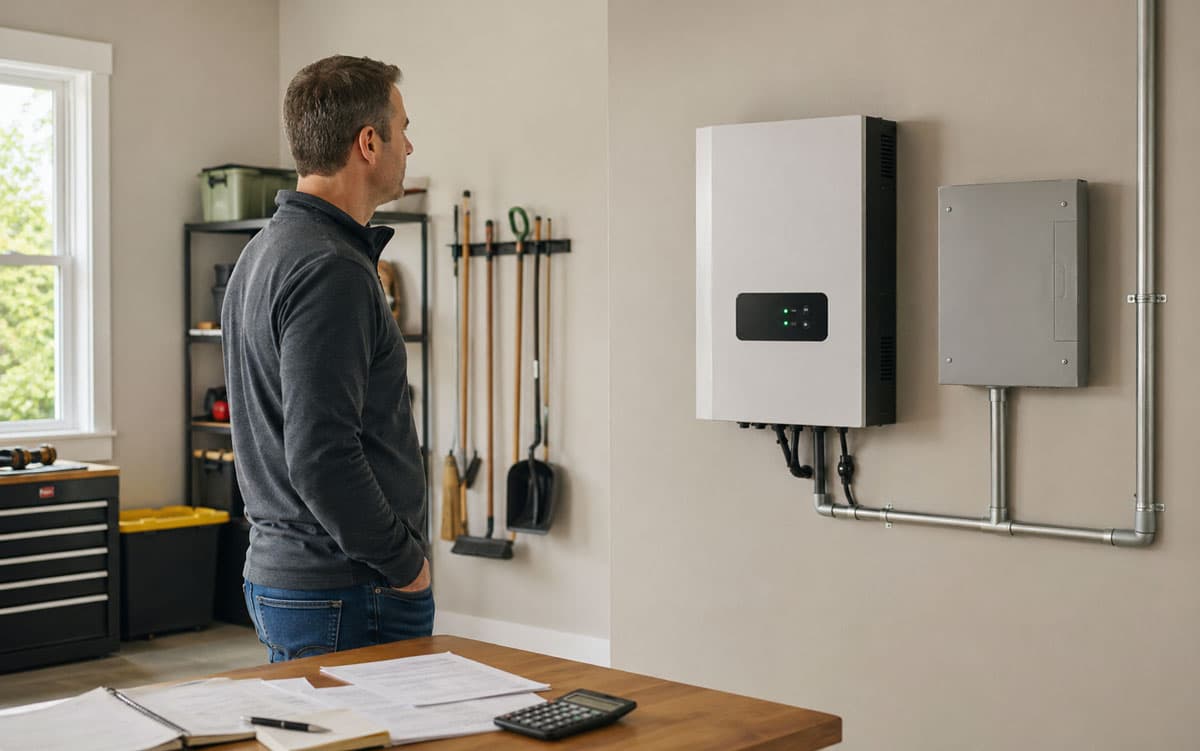
What Documents Should You Compare?
If you are trying to figure out whether the system is working as promised, gather the paperwork that shows both the original expectations and the current results.
- Your solar contract
- Your sales proposal
- Your production estimate
- Your equipment list, including panel and inverter model details
- Your warranty documents
- Your utility bills from before and after installation
- Your monitoring screenshots or production reports
DOE’s solar contract guidance notes that system overview sections often include the number of panels, inverter type, panel wattage, location, and annual production value. Those details matter when you are trying to compare the system you were sold with the system you actually received.
When It May Be More Than a Simple Maintenance Issue
Sometimes a solar performance concern is not just about maintenance. It may point back to the sales process, contract terms, or system design. That may be worth a closer look if:
- The production seems far lower than the proposal suggested
- The system never appeared to perform as promised
- Your electric bill stayed high from the beginning
- You suspect the system was undersized for your usage
- You were told the panels would eliminate or nearly eliminate your bill, but that never happened
- You have repeated service problems with no clear fix
In that situation, the issue may overlap with the next planned support post on underperformance, but for now the most relevant next steps are the contract review and payment-related resources already live.
What Not to Do
Do not assume one high bill proves the system failed. Do not assume a monitoring outage means the panels are broken. Do not attempt electrical repairs on your own. And do not rely only on memory if your concern is really about whether the system matched the sales promise.
If the system appears to be functioning but your payments and savings still do not make sense, the post on why a solar payment may have increased may help, especially if the financial side is part of the frustration.
Start With a Solar Performance Review
If you are wondering whether your solar panels are even working, DitchYourSolar can help you take the first step. Compare your production concerns, monitoring data, bills, and contract documents to better understand whether the issue looks like normal variation, a service problem, or a mismatch between what was promised and what happened.
Review Solar Performance Concerns
Solar performance problems are often easier to sort out when you separate system output, utility billing, usage changes, and sales promises. Once those are laid out clearly, the next step usually becomes much easier to identify.