

Freedom Forever’s Chapter 11 bankruptcy filing has created a wave of questions for homeowners with solar contracts, solar loans, unfinished installations, service issues, warranties, and cancellation concerns. If Freedom Forever installed your system, sold you a solar package, or appears anywhere in your solar paperwork, you may be wondering what this filing means for your loan, your warranty, and your ability to get out of the agreement.
The short answer is that bankruptcy does not automatically cancel your solar loan or solar contract. But it can create uncertainty around service, workmanship warranties, installation completion, communication, project timelines, and the next steps available to homeowners who already felt trapped by their solar agreement.
This article breaks down what happened, what Chapter 11 means, what homeowners should review now, and why the details of your contract, loan, lease, PPA, and sales documents matter more than the headline alone.
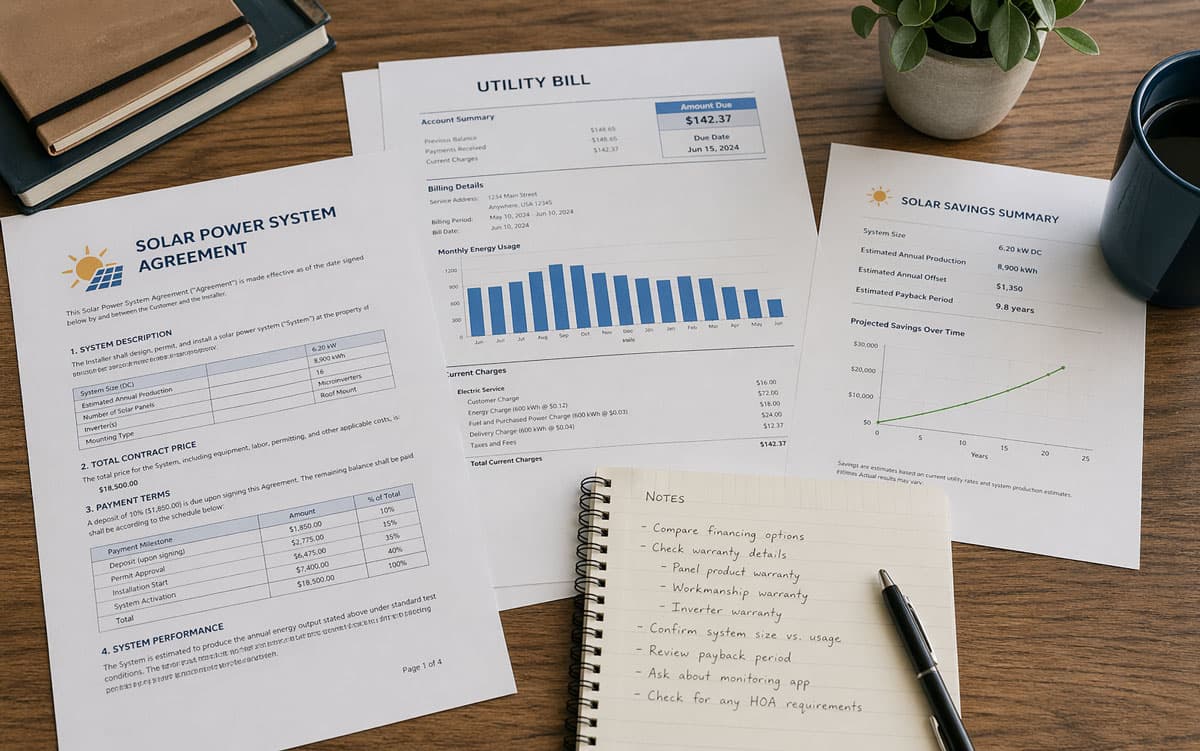
What Happened With Freedom Forever?
Freedom Forever LLC filed for Chapter 11 bankruptcy protection in the U.S. Bankruptcy Court for the District of Delaware on April 15, 2026. Public bankruptcy case information lists the case as Freedom Forever LLC, case number 26-10522. The filing reportedly lists estimated assets between $100 million and $500 million and estimated liabilities between $500 million and $1 billion.
Multiple solar industry sources have reported that Freedom Forever was one of the largest residential solar installers in the United States before the filing. PV Tech reported that the company was the second-largest U.S. residential solar installer in 2025, citing Wood Mackenzie market share data. Solar Power World and PV Magazine USA also covered the filing as a significant development in the residential solar market.
The bankruptcy filing came during a difficult period for residential solar. High interest rates, tighter financing, slowing consumer demand, rising customer acquisition costs, warranty obligations, installer closures, and increased scrutiny of sales practices have put pressure on many companies in the industry.
For homeowners, though, the big question is not just why Freedom Forever filed. The more urgent question is what happens next if your system, loan, warranty, or cancellation problem is tied to the company.
Source Notes
This article references publicly available reporting and case information from the following sources:
What Chapter 11 Means, and What It Does Not Mean
Chapter 11 is commonly described as a reorganization bankruptcy. In simple terms, it can give a company breathing room to deal with debts, pause certain collection activity, renegotiate obligations, seek financing, sell assets, or try to continue operating under court supervision.
But Chapter 11 does not always mean a company survives in its current form. Some companies reorganize and continue. Others sell assets. Some wind down. Some eventually liquidate. PV Magazine USA noted that recent Chapter 11 filings in the residential solar industry, including cases involving major solar companies, have sometimes resulted in liquidation rather than a clean return to normal operations.
For a homeowner, this means the filing is not a simple “everything is canceled” event. It is more accurate to think of it as a major uncertainty event. The court process may affect how claims are handled, how customer service operates, whether installation or warranty obligations continue smoothly, and whether homeowners can get timely answers.
Does Freedom Forever Bankruptcy Cancel My Solar Loan?
Usually, no. A solar company bankruptcy does not automatically cancel a homeowner’s solar loan.
Many residential solar loans are made through third-party finance companies. Depending on the structure of your transaction, your loan may be with a solar lender or finance company, not directly with Freedom Forever. Even if Freedom Forever sold, installed, or coordinated the system, your payment obligation may continue through the lender or loan servicer.
That is why homeowners should be extremely cautious about stopping payments without reviewing the documents and getting appropriate guidance. Missed payments can create credit risk, collection risk, late fees, and other consequences. If your system is unfinished, underperforming, or not what you were promised, that may be worth reviewing, but it does not automatically mean the loan disappears.
If your biggest concern is the loan payment itself, visit our solar payment issues page or use the solar contract calculator to estimate long-term payment pressure.
Why the Finance Company Matters
Freedom Forever’s bankruptcy reporting has highlighted creditor exposure involving solar finance companies. Some reports have identified Mosaic Funding as a major creditor in the case. That does not automatically tell homeowners what will happen with their individual loans, but it does show why the financing side matters.
Your solar paperwork may involve several different parties:
- The installer or sales organization
- The finance company or lender
- The loan servicer
- The equipment manufacturer
- The monitoring platform
- A warranty provider, if separate
- A sales dealer or subcontractor
When something goes wrong, homeowners often discover that the company that sold the system, the company that installed the system, and the company collecting payments are not always the same. That can make cancellation questions more complicated.
Before assuming who is responsible, gather your loan agreement, installation contract, payment statements, and any emails or texts from the sales process. If you are not sure what you signed, start with a contract review.
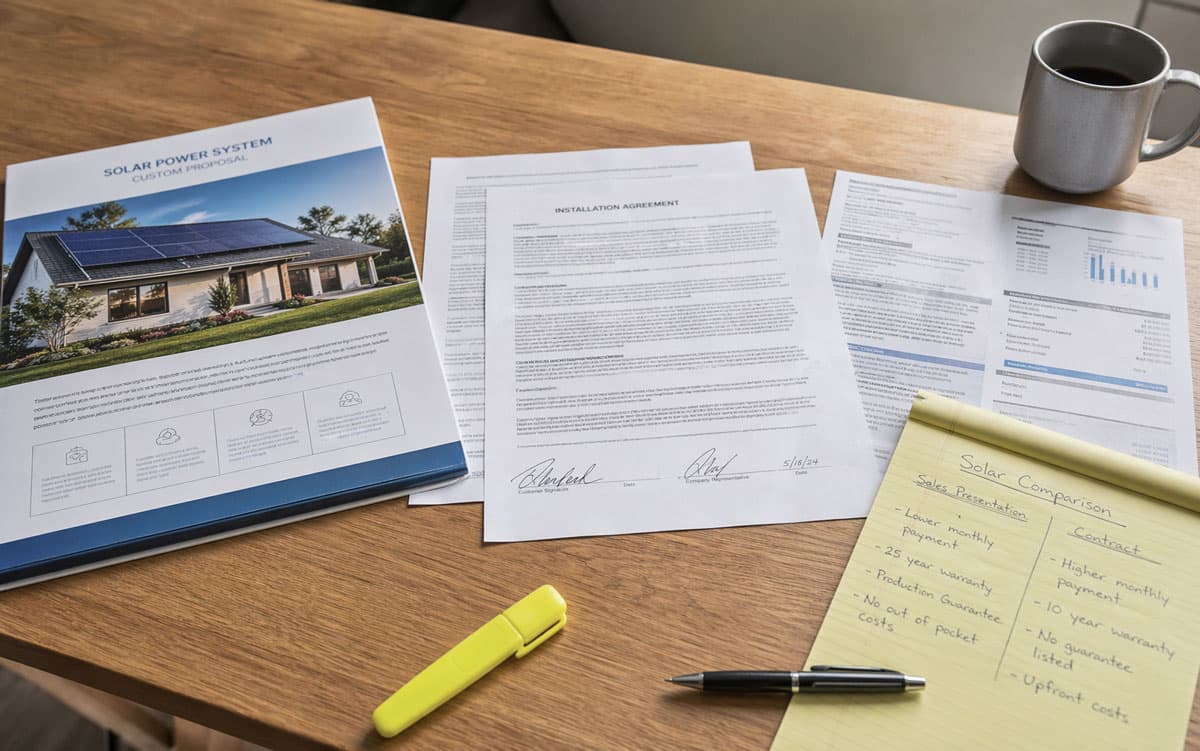
What If Your Freedom Forever Installation Is Unfinished?
Unfinished installations are one of the most stressful bankruptcy-related situations for homeowners. You may have signed documents, been approved for financing, received equipment, had partial work completed, or even started making payments before the system became fully operational.
If your installation is unfinished, gather everything you can:
- Signed contract and financing documents
- Permit documents
- Inspection records
- Photos of the installation status
- Emails or texts about project timelines
- Payment records
- Utility interconnection documents
- Any notice from the lender, installer, or bankruptcy case
The key question is whether your payment obligations, installation milestones, cancellation rights, and lender disbursement terms line up with what actually happened. Some solar loans release funds based on project milestones. Others may have different funding, installation, or completion triggers.
If you are stuck with an unfinished project and an active loan, do not rely on verbal assurances alone. Review the documents carefully and keep written records of every communication.
What Happens to Workmanship Warranties?
One of the biggest concerns after a solar installer bankruptcy is the workmanship warranty. Workmanship warranties typically cover installation-related issues, such as roof penetrations, mounting problems, wiring work, workmanship defects, or installation errors.
If the installer is in Chapter 11, the future of those obligations may be uncertain. The company may continue some operations, seek to reorganize, sell assets, assign contracts, reject contracts, or handle warranty claims through the bankruptcy process. Homeowners should not assume the warranty is automatically gone, but they also should not assume service will continue exactly as before.
Check your paperwork for:
- Workmanship warranty length
- What the warranty covers
- What is excluded
- Who is responsible for service
- Whether warranty obligations can be assigned
- Whether third-party warranty coverage exists
- How claims must be submitted
If your system has a workmanship issue, document it with photos, dates, communications, and any inspection reports. If there is an active roof leak, electrical issue, or safety concern, contact qualified professionals immediately.
Are Equipment Manufacturer Warranties Still Valid?
Equipment warranties may be separate from workmanship warranties. Solar panels, inverters, batteries, racking, optimizers, and other components may carry manufacturer warranties. If the installer filed bankruptcy, that does not necessarily mean the manufacturer warranty disappears.
However, there can still be practical problems. You may need proof of purchase, serial numbers, installation records, monitoring data, or a qualified technician to diagnose the issue. If the installer used to handle manufacturer warranty claims for you, you may now need to contact the manufacturer, another service provider, or a warranty administrator directly.
Useful information to collect includes:
- Panel manufacturer and model
- Inverter manufacturer and model
- Battery manufacturer and model, if applicable
- Serial numbers
- Installation date
- Monitoring screenshots
- Original proposal or equipment list
- Any workmanship or production guarantee documents
If your panels are not producing what you were promised, the issue may be technical, contractual, or both. You can learn more on our future article about solar panels not producing promised output, or start with our solar contract review page.
What About Production Guarantees?
Many homeowners were sold solar based on savings projections, production guarantees, or long-term performance expectations. If Freedom Forever or another company promised a specific production level, review the exact language carefully.
There is a big difference between:
- A sales estimate
- A performance projection
- A production guarantee
- A manufacturer output warranty
- A utility bill savings promise
- A contractually enforceable obligation
Homeowners often hear “guarantee” during a sales pitch, but the signed documents may use more limited language. If a production guarantee exists, the next question is who owes that obligation and how the bankruptcy affects it.
This is one of the most important reasons to review the contract, not just the marketing materials.
Does Bankruptcy Give You a New Cancellation Option?
Maybe, but not automatically.
Some homeowners may have cancellation, breach, dispute, warranty, or financing-related issues that become more urgent after a bankruptcy filing. Others may still be bound by a loan, lease, PPA, or installation agreement even if the installer is under court protection.
Possible issues to review include:
- Whether the system was completed
- Whether the system passed inspection
- Whether the system received permission to operate
- Whether the lender funded the project before completion
- Whether promises about savings or tax credits were documented
- Whether the installer failed to perform required obligations
- Whether transfer, lien, or UCC issues affect your home
- Whether service, warranty, or production obligations are now uncertain
These details may affect your next steps, but they are highly fact-specific. Bankruptcy alone is not a magic cancellation button.
What If You Were Misled During the Sale?
The Freedom Forever bankruptcy filing also comes against a broader backdrop of scrutiny over residential solar sales practices. On April 3, 2026, the Texas Attorney General announced a major initiative involving alleged deceptive practices by companies selling solar panel systems. The announcement named Freedom Forever LLC, also referenced as Freedom Solar, along with other solar companies.
The Texas Attorney General said the investigation involved possible misrepresentations related to consumer energy bill savings, solar panel system efficacy, equipment implementations, and company terms and policies.
If you believe you were misled, documentation matters. Gather:
- Sales proposals
- Emails and text messages
- Promises about utility bill savings
- Tax credit claims
- Financing explanations
- System production estimates
- Any statement that your bill would stay the same
- Any promise about cancellation, transfer, or refinancing
Misleading sales claims do not automatically cancel a contract, but they may be important when reviewing your options. If the paperwork does not match what you were told, upload your documents through our contract upload page.
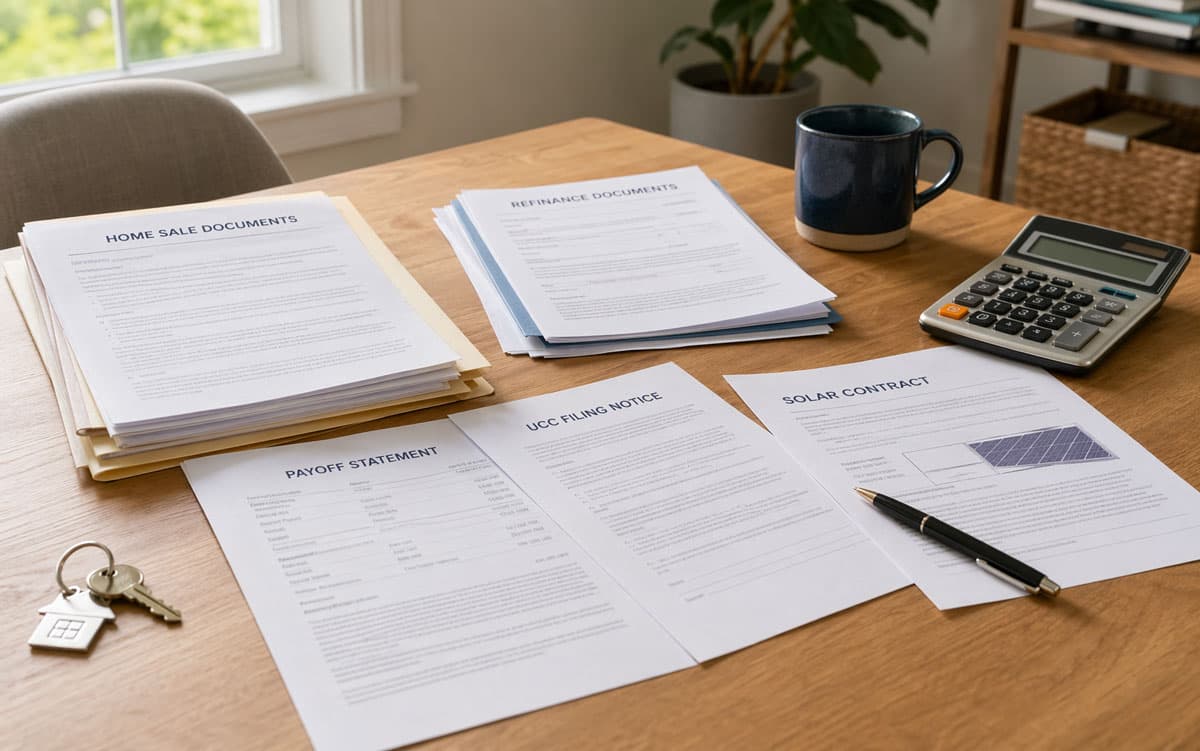
What If You Are Selling or Refinancing Your Home?
Bankruptcy can make an already complicated home sale or refinance even more confusing. If your solar contract includes a loan, lease, PPA, UCC filing, payoff requirement, or transfer approval process, you may need answers quickly.
Common problems include:
- Buyers refusing to assume a solar obligation
- Unclear payoff amounts
- Difficulty reaching the installer or servicer
- UCC filings showing up during title review
- Transfer approval delays
- Questions about warranties after ownership changes
- Lender concerns during refinancing
If you are trying to sell a house with a solar loan, lease, or PPA, review our selling your home with solar page.
What If You Still Have a High Utility Bill?
Many homeowners with solar contracts are not just worried about bankruptcy. They are worried because the numbers never worked. They still have a high utility bill, still owe a solar payment, and now the company connected to the deal may be harder to reach.
If your solar deal was sold as a way to lower or stabilize your monthly energy costs, review both sides of the equation:
- Your current solar payment
- Your current utility bill
- Your usage before and after solar
- Your system production
- Your net metering rate
- Your annual escalator, if any
- Your original savings estimate
A high utility bill does not automatically prove misconduct. Usage changes, seasonal production, utility rate changes, net metering policies, equipment problems, and sales assumptions can all affect the outcome. But if the sales pitch promised savings that never appeared, that is worth reviewing.
Should You Stop Paying Your Solar Loan?
Be very careful. Stopping payment without a plan can create credit and collection risks. Even if your installer filed bankruptcy, your loan may still be owed to a finance company or loan servicer.
Before making any payment decision, review:
- Who owns or services the loan
- Whether the system was completed
- Whether the lender has a dispute process
- Whether the loan documents include defenses, claims, or dispute language
- Whether you have written evidence of misrepresentations
- Whether you have received any notice from the bankruptcy court, lender, or servicer
Some homeowners may hear about consumer protections such as the FTC Holder Rule, lender dispute rights, state consumer protection laws, or solar-specific regulations. Those issues can be important, but they are fact-specific and may require legal review. DitchYourSolar does not provide legal advice.
Important: Do not assume the bankruptcy filing cancels your solar loan, lease, PPA, or payment obligation. Review your documents and speak with qualified professionals before making decisions that could affect your credit, home sale, or legal position.
What Homeowners Should Do Now
If Freedom Forever’s bankruptcy may affect you, the best first step is to get organized. The more complete your document trail is, the easier it is to understand what may be happening.
1. Save every document
Download and save your contract, loan agreement, lease, PPA, proposal, change orders, permit documents, utility interconnection paperwork, inspection records, and warranty materials.
2. Save communications
Keep emails, text messages, voicemails, screenshots, and notes from sales reps, customer service, installers, lenders, and warranty contacts.
3. Check your loan or payment portal
Identify who is collecting payments and whether the servicer has changed. Save any notices about payment changes, servicing transfers, delays, or disputes.
4. Document system performance
Save monitoring screenshots, production data, inverter alerts, utility bills, and before-and-after usage information.
5. Check home sale or refinance paperwork
If you are selling or refinancing, look for payoff letters, UCC filings, title objections, buyer objections, transfer forms, and lender questions.
6. Review the contract before making assumptions
The most important answers are usually in the documents. That includes cancellation language, payment obligations, warranty terms, transfer requirements, and dispute procedures.
When to Request a Contract Review
You may want to request a review if any of the following apply:
- Your Freedom Forever installation is incomplete
- You are paying on a solar loan for a system that is not working
- The savings you were promised never showed up
- You were promised a tax credit that changed the payment pitch
- Your solar company is not responding
- You are having warranty or service issues
- You are trying to sell or refinance your home
- You found a lien, UCC filing, or transfer problem
- You want to know if cancellation or exit options may exist
For a broader look at possible next steps, visit our solar contract exit options page.
Bottom Line: Freedom Forever Bankruptcy Creates Questions, Not Automatic Answers
Freedom Forever’s Chapter 11 filing is a major development for residential solar customers, but it does not create one universal outcome. Some homeowners may see little immediate change. Others may face service delays, unfinished installation concerns, warranty uncertainty, home sale complications, or financing questions.
The most important thing is to avoid guessing. Your options may depend on the agreement type, the lender, the installation status, the bankruptcy process, the sales record, and the written contract language.
If your solar agreement already felt wrong before the bankruptcy filing, this may be the right time to gather your documents and review the situation clearly.
Get a Free Solar Contract Review
If Freedom Forever’s bankruptcy has left you unsure about your loan, contract, warranty, or cancellation options, DitchYourSolar can help you take the first step. Upload your contract, loan agreement, lease, PPA, bill, or related paperwork, and our team will review it for free.